| |
Solitaire Homes
|
Consumer Report Rates Solitaire Homes
While other companies chose to catch the industry-boom wave in the early 90’s, Solitaire Homes kept their focus close to home and within an area where they had seen success already. By the late 90’s they had 5 plants in operation. Thus, when the industry took a downturn, they were able to wait it out with little trouble. (Two plants were closed and they reeled in some of their larger models.) At last count they had 27 dealers in their network, many with their own homeowners insurance packages available (through a third party), and have created Solitaire Financial Services, offering in-house financing.
From their website: “In 1965, Jerry and Helen Elliott founded Solitaire on two primary, important principles: high quality construction and affordable pricing. These two principles remain the foundation on which Solitaire has built a proud tradition and strong reputation for producing homes of unrivaled value. We would like to open our doors and extend an invitation for you to tour the homes and the factories that make Solitaire an enduring industry leader. Please accept our invitation to closely examine the multitude of benefits we offer our homeowners. We are certain you will find our devotion to enduring quality and timeless value reflected in every aspect of our homes.”
|
|
|
|
| |

Similar Articles You Might Enjoy:
Our popular Modular Homes articles and resources
|
|
|
|
Modular
Home Book Resources
Popular Buying Guides for
Modular Homebuyers
|
List Price: 59.80
Our Price:
29.95
|
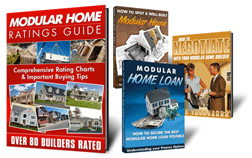
Modular Home Ratings Guide
Package – Over 80 Builders Rated
When trying to select a modular home the
first place to start is at the factory level. Get the facts on the factories that
deliver to your area. Determining how the factories
compare to each other in the areas of: Quality Construction,
Design/Style, Appraised Value, Prices and options.
Click
Here to Learn More!
|
|
|
|
List Price:
59.80
Our Price: 29.95
|
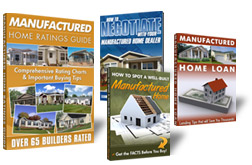
Manufactured Home Ratings
Guide Package – Over 65 Builders Rated
Manufactured Homes industry has made significant gains in recent years regarding quality construction and
residential appeal. With todays technology and production techniques, these new homes silence the misconception that
manufactured homes are poorly built and don’t measure up.
Click
Here to Learn More!
|
|
|
|
List Price: 19.95
Our Price:
9.95
|
|
|
|
|
List Price:
19.95
Our Price: 9.95
|
|
|
|
|
List Price: 19.95
Our Price: 9.95
|
|
|
|
|
|