Oxford Homes opened a manufactured housing plant on a 16.73 acre site in 1977. Since that time they have built over 7,000 single family residences. Their current manufacturing facility is 44,000 square feet and has the capability of producing state certified modular single and multi family residences plus commercial projects. Oxford Homes prides themselves on using the highest quality construction materials and components, purchased primarily in Maine and New England; minimizing transportation costs, and adding value to the finished product. “Over 75 percent of the raw materials and OEM products used by Oxford Homes actually come from Maine. Examples of this are the privately licensed Maine Bearicade Windows, which are manufactured exclusively for Oxford Homes by Waterville Window Company; and Olde New England cabinets by Just Cabinets, Inc. from Fryeburg, Maine. In addition to the regional components, Oxford Homes utilizes top quality, nationally recognized name brand products, such as the following: Certainteed, Congoleum, Frigidaire, Delta, Formica, Shaw, Cutler Hammer, Therma Tru, Stanley, Yale, Mansfield, Universal Rundle, etc”.
Modular Home Book Resources Popular Buying Guides for Modular Homebuyers
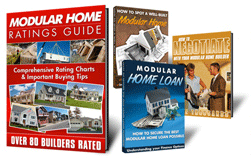
When trying to select a modular home the first place to start is at the factory level. Knowing which factories deliver to your area is the first step in understanding your options. The second and most important step is determining how the factories compare to each other in the areas of: Quality Construction, Design/Style, Appraised Value and Price.
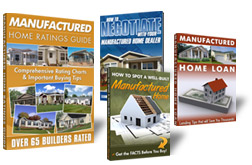
The manufactured housing industry has made some serious improvements in recent years regarding quality construction and residential appeal. With modern day technology and assembly line techniques, the industry is overcoming the misconception that manufactured homes are poorly built and don’t measure up to stick-built homes.
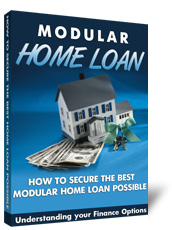
Knowing your financing options is the first step to securing a good deal. We have spoken with hundreds of modular home lenders and Mr. Eaton the author has gone through the process himself. Learn from his insight and you can avoid some common mistakes people make when financing their home.
On average 80% of homebuyers pay too much for their modular home. Not surprising with all the choices one must make from negotiating with your builder to purchasing property and site-improvements. This resource will reveal important negotiating secrets and dealer profit margins that will give you an edge when negotiating with your builder.
Most modular home builders have display models for potential home buyers to walk through. These models are professionally decorated to impress buyers with elaborate decorations, elegant furniture and dazzling floorplans. Aesthetics are important but would you purchase a modular home based on looks and compromise structural integrity? Don’t be fooled by appearances and miss what really matters; “Quality Construction.”
Advantages of Modular Home Construction The manufactured housing idea is not new. Sears Roebuck offered a prefabricated modern home in their spring 1908 general catalog, which was shipped by train. Sears sold around 100000 of these homes from 1908 to 1939. The use of production line techniques really kicked into high gear after World War II and made a sizable contribution to reducing the housing shortage at that time.
Systems Built Construction Factories are located to make the most efficient use of transportation, materials and labor. Therefore, the houses can be built better and more efficiently and more economically. Also, there is less waste and none of the theft, vandalism and weather damage common with stick-built construction. After delivery to the site, all factory-built housing can be assembled, closed in and occupied in a matter of days or weeks.
Modular Homes New Mexico Most factory built homes are constructed entirely within a controlled climate. Construction continues year round and assembly line workers dont need to be skilled carpenters and are paid about half of what on site contractors are normally paid. Many of the laborers working in the systems built housing industry have steady jobs with benefits and can afford to buy the products they make.