Taken from Horton’s website, “Horton Homes. It's more than a name. For over a quarter century it's become a tradition of quality for homeowners throughout the Southeastern United States and the world. Superior construction combined with energy efficiency and loaded with amenities, Horton Homes is a leader in the manufactured housing industry. Horton Homes, located in Eatonton, Georgia, is the leading producer of HUD code manufactured homes and modular homes at a single facility in the nation. Manufacturing three homes a week from an abandoned chicken house in 1970, Horton Homes has grown to a 100 acre facility, with a manufacturing capacity of 100 floors a day. The dramatic growth is directly linked to our commitment to offer the consumer an attractive and affordable home that is designed and built with today's modern technological advances.”
Modular
Home Book Resources Popular Buying Guides for
Modular Homebuyers
When trying to select a modular home the
first place to start is at the factory level. Knowing which factories
deliver to your area is the first step in understanding your options.
The second and most important step is determining how the factories
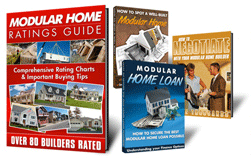
compare to each other in the areas of: Quality Construction,
Design/Style, Appraised Value and Price.
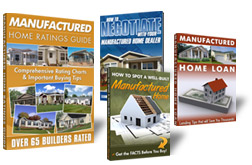
The manufactured housing industry has made some serious
improvements in recent years regarding quality construction and
residential appeal. With modern day technology and assembly line
techniques, the industry is overcoming the misconception that
manufactured homes are poorly built and don’t measure up to stick-built
homes.
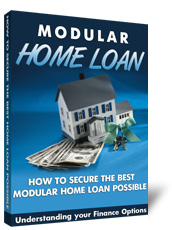
Knowing your financing options is the first step to
securing a good deal. We have spoken with hundreds of modular home
lenders and Mr. Eaton the author has gone through the process himself.
Learn from his insight and you can avoid some common mistakes people
make when financing their home.
On average 80% of homebuyers pay too much for their
modular home. Not surprising with all the choices one must make from
negotiating with your builder to purchasing property and
site-improvements. This resource will reveal important negotiating
secrets and dealer profit margins that will give you an edge when
negotiating with your builder.
Most modular home builders have display models for
potential home buyers to walk through. These models are professionally
decorated to impress buyers with elaborate decorations, elegant
furniture and dazzling floorplans. Aesthetics are important but would
you purchase a modular home based on looks and compromise structural
integrity? Don’t be fooled by appearances and miss what really matters;
“Quality Construction.”
Modular Home Contractor The modular housing idea is not new. Sears Roebuck offered a prefabricated modern home in their spring 1908 general catalog, which was shipped by train. Sears sold around 100000 of these homes from 1908 to 1939. The use of production line techniques really kicked into high gear after World War II and made a sizable contribution to reducing the housing shortage at that time.
Modular Housing Facts Advocates of pre fab homes have long maintained that the building system produces homes that are a lot stronger than traditional site built structures. For example, the modual sections are well built to withstand the stresses of highway travel, containing up to 30 percent more building materials than a comparable conventional site built home.
Rhode Island Modular Homes A manufactured home is built entirely in the factory under a federal building code administered by the Department of Housing and Urban Development HUD and is classified as a Manufactured Home. These homes are constructed to meet the Federal Manufactured Home Construction and Safety Standards Act, which has been in effect since June 15, 1976. The Federal standards regulate, manufactured housing design, construction, strength, durability, transportability, fire resistance, energy efficiency and quality. The HUD Code also sets performance standards for the heating, plumbing, air conditioning, thermal and electrical systems.